.svg)

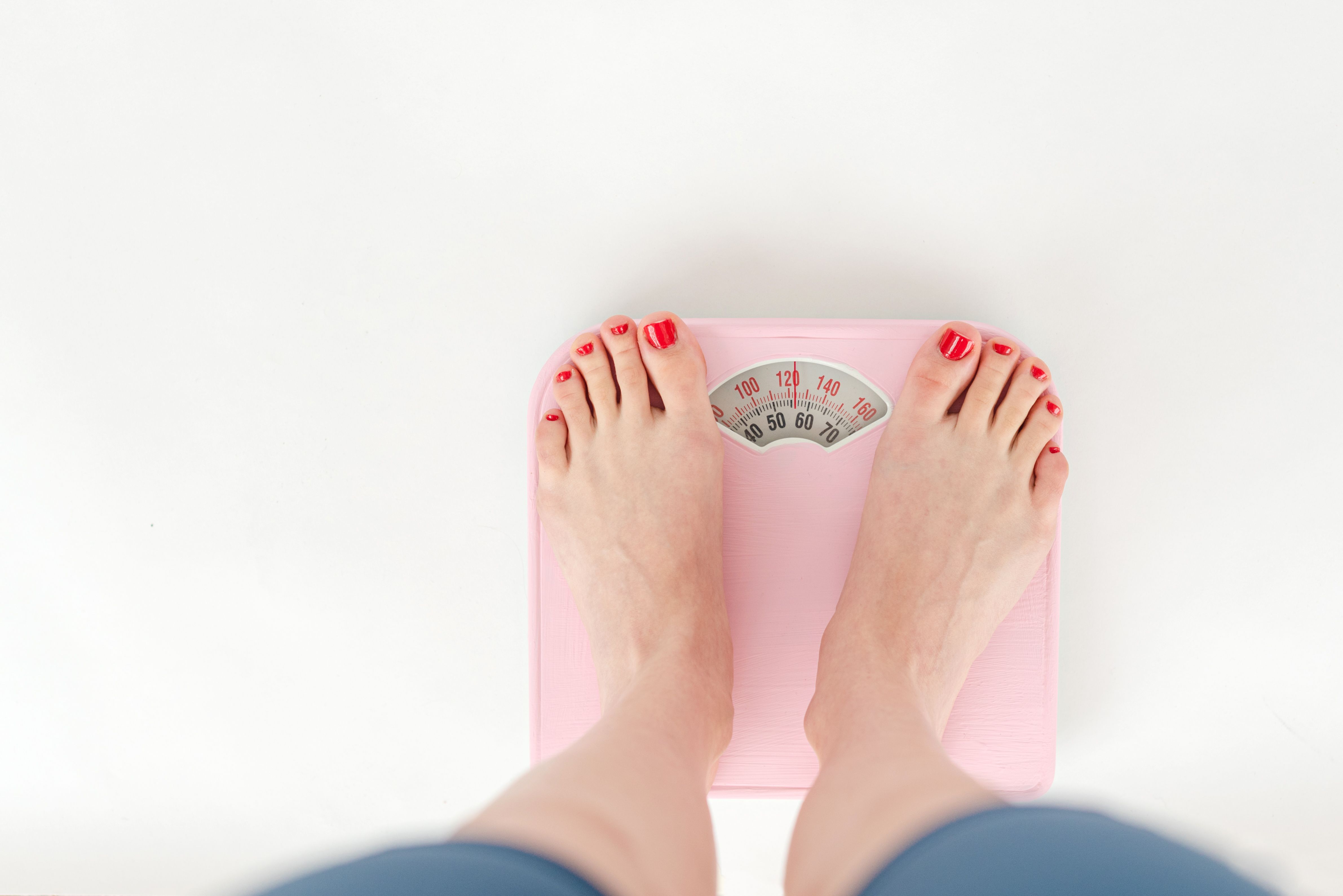
Weight gain is one of the most common but least discussed consequences of depression. People living with depression often notice changes in their body that feel entirely outside their control — increased appetite, specific cravings for carbohydrates and sweets, relentless tiredness, or simply moving less and less as the weeks go by. And then — often — they experience shame about those changes, which compounds the depression directly.
Understanding what's actually happening neurobiologically and behaviorally helps break both the cycle and the self-blame. This isn't a willpower problem. It's a set of biological and behavioral mechanisms, each of which has a clear explanation and a set of evidence-based responses.
The Biology: 5 Reasons Depression Promotes Weight Gain
1. Cortisol and Visceral Fat Storage
Depression is associated with chronic activation of the HPA axis — the hypothalamic-pituitary-adrenal system — leading to persistently elevated cortisol. Cortisol is a fat-storage hormone that specifically promotes visceral fat accumulation: fat around the abdomen and internal organs. Visceral fat is metabolically active and itself produces pro-inflammatory cytokines, which further worsen depression. The result is a physiological loop: depression → elevated cortisol → visceral fat → inflammation → worsened depression.
This mechanism explains why people with chronic depression often gain abdominal weight disproportionate to their overall caloric intake — it's cortisol physiology, not caloric surplus alone.
2. Dopamine Dysregulation and Food Cravings
Dopamine — the neurotransmitter associated with reward, motivation, and pleasure — is significantly reduced in depression. Foods high in sugar, refined carbohydrates, and fat produce rapid dopamine spikes in the nucleus accumbens (the brain's reward center), providing brief, temporary relief from the anhedonia and emotional flatness of depression. The brain learns through repeated experience to seek these foods as a chemical shortcut to feeling something.
This is not weakness or lack of discipline. It's the depressed brain doing exactly what brains are designed to do: find and repeat behaviors that produce dopamine relief. Understanding this removes a significant layer of shame from the equation.
3. Reduced Physical Activity and Metabolic Slowdown
Depression suppresses motivation, depletes energy, and eliminates the pleasure of movement. Sedentary behavior compounds weight gain, disrupts metabolism, and eliminates one of the most powerful natural antidepressants: exercise. The resulting physical deconditioning further reduces capacity for movement — creating a reinforcing loop of less activity, lower energy, and worse mood.
4. Sleep Disruption and Appetite Hormones
Whether depression manifests as insomnia or hypersomnia, sleep disruption directly affects the hormones that regulate appetite. Sleep deprivation increases ghrelin (the hunger hormone that stimulates appetite) and decreases leptin (the satiety hormone that signals fullness), leading to increased appetite, reduced satiety signals, and particularly strong cravings for high-calorie foods. Even a single night of inadequate sleep measurably increases caloric intake the following day.
5. Medication Side Effects
Some antidepressants — particularly certain SSRIs (especially paroxetine), mirtazapine, and tricyclics — are associated with weight gain as a side effect. This is clinically important to address and does not mean the medication is wrong for you — it may mean adjusting the specific medication or managing the side effect. Bupropion (Wellbutrin) is weight-neutral or associated with modest weight reduction for many people and may be an appropriate alternative for some. Discuss with your prescriber if medication-related weight change is affecting your wellbeing.
The Shame Cycle: Why It Makes Everything Worse
Depression already generates harsh self-criticism through cognitive distortion — and weight gain provides fresh material for it. The internal narrative ("I have no self-control," "I'm disgusting," "I can't do anything right") functions to directly worsen depression rather than motivate change.
This is critical to understand: shame is not a useful motivator. Research on self-compassion by Kristin Neff and colleagues consistently shows that self-compassionate responses to setbacks — including weight gain — produce better behavioral outcomes than self-critical ones (Neff & Germer, 2013, Mindfulness). Treating yourself as you would treat a friend in the same situation is not self-indulgence — it's more effective than self-attack.
What Actually Helps: An Evidence-Based Approach
Treat the Depression First
Weight gain associated with depression is most effectively addressed by treating the underlying condition. As depression improves — through therapy, lifestyle changes, and when appropriate medication — the neurochemical environment that drives overeating, avoidance of activity, and cortisol dysregulation begins to normalize. Trying to address weight gain in isolation while depression remains untreated is like bailing a boat without addressing the leak.
Start with Movement, Not Restriction
Attempting caloric restriction during a depressive episode is extremely difficult to sustain and frequently produces worse outcomes through guilt-driven cycles of restriction and overeating. Movement, on the other hand, addresses multiple depression mechanisms simultaneously — cortisol regulation, dopamine production, sleep quality, and the self-efficacy that counters shame.
Start with something genuinely manageable: a 15-minute daily walk, three times per week. This is not about fitness — it's about disrupting the withdrawal cycle and providing the nervous system with an alternative source of the neurochemical relief food has been providing.
Address Food as Emotional Regulation in Therapy
If food is functioning as emotional regulation — as the primary available source of comfort and relief — CBT and DBT offer evidence-based strategies for developing a broader repertoire of coping skills. Understanding the emotional function of eating (not judgment about it) is the starting point.
Focus on Dietary Quality, Not Caloric Restriction
The Mediterranean diet pattern discussed in our foods that help with depression article supports both mood and metabolic health. Adding omega-3-rich fish, vegetables, legumes, and whole grains — rather than removing foods — is a more sustainable and less psychologically costly approach during depression recovery.
Improve Sleep Quality
Addressing sleep disruption — through consistent sleep timing, good sleep hygiene, and professional sleep treatment when needed — has direct effects on appetite-regulating hormones. Normalizing sleep often reduces food cravings and improves the capacity for all other behavioral changes.
A Reframe That Helps
Weight changes during a depressive episode are symptoms of an illness. They reflect a brain and body responding to abnormal neurochemical and hormonal conditions — not failures of character, discipline, or motivation. Recovery from depression reliably includes normalization of the physiological drivers of weight gain as the episode resolves.
The goal during a depressive episode is not weight loss — it's recovery from depression. The body changes that depression created tend to reverse as the episode resolves and treatment takes effect.
At Wellness Road Psychology, we address the full picture of depression — including its physical and metabolic consequences that often receive insufficient attention in treatment. Book a free consultation.