.svg)

The advice to exercise for anxiety is so common it risks sounding like a platitude — the mental health equivalent of "have you tried drinking more water?" But the evidence behind it is genuinely compelling, the mechanisms are specific enough to be clinically interesting, and there's one particularly surprising finding about exercise and panic disorder that most people don't know.
The short answer: yes, exercise substantially reduces anxiety. The longer answer explains why, how, which type, and what to do when anxiety itself makes starting feel impossible.
What the Research Shows
A 2019 systematic review of 25 randomized controlled trials found that regular exercise significantly reduced anxiety symptoms across both clinical and non-clinical populations, with effect sizes in the moderate-to-large range (Rebar et al., 2015, Health Psychology Review).
A 2024 analysis further found exercise to be comparable in effectiveness to CBT for reducing symptoms of generalized anxiety over 8–12 weeks — notable given that CBT is the gold-standard psychological treatment for anxiety disorders.
The effects appear across different anxiety presentations. For social anxiety, regular exercise reduces self-consciousness and physiological reactivity in social situations. For GAD, it directly reduces baseline hyperarousal and worry frequency. For panic disorder — as we'll discuss below — it has a counterintuitive but powerful mechanism that makes it particularly valuable.
Why Exercise Works for Anxiety: 5 Biological Mechanisms
1. HPA Axis Regulation
Anxiety is driven significantly by overactivity of the hypothalamic-pituitary-adrenal axis — the system that produces cortisol and drives the fight-or-flight cascade. Chronic anxiety maintains this system in a state of hair-trigger responsiveness. Regular exercise trains the HPA axis to respond more proportionately to stressors — reducing the cortisol output for a given level of perceived threat and improving the system's recovery after stress exposure.
This is a training effect that builds over weeks of consistent exercise. The nervous system becomes more resilient, less reactive, and better at returning to baseline after activation.
2. GABA Enhancement
GABA (gamma-aminobutyric acid) is the brain's primary inhibitory neurotransmitter — it reduces neural excitability and is directly anxiolytic. Many anti-anxiety medications (benzodiazepines) work by enhancing GABA signaling. Exercise independently increases GABA activity, producing similar inhibitory effects on the overactive neural circuits underlying anxiety.
3. Endorphins and Neurochemical Relief
Exercise triggers endorphin release — natural opioid compounds that reduce pain and produce a sense of wellbeing. It also increases serotonin and dopamine activity. These effects reduce subjective anxiety, lift mood, and counteract the neurochemical environment that maintains anxiety disorders.
4. Hippocampal Neurogenesis
Chronic anxiety and stress suppress hippocampal neurogenesis. The hippocampus is critical for contextual learning — specifically, for helping the brain accurately distinguish between situations that are dangerous and those that merely resemble past dangerous situations. When hippocampal function is impaired, the anxiety system's threat-detection becomes less accurate, firing more broadly. Exercise robustly increases BDNF and promotes neurogenesis, improving the precision of threat assessment over time.
5. The Interoceptive Exposure Effect for Panic Disorder
This is the finding that surprises most people. Panic disorder is maintained partly by fear of the physical sensations of arousal — elevated heart rate, shortness of breath, chest tightness — which are catastrophically misinterpreted as signs of danger. Every panic attack confirms the brain's association: these sensations = danger.
Aerobic exercise produces these exact same sensations — elevated heart rate, breathlessness, chest activity — but in a safe, voluntary, controlled context. This is interoceptive exposure: the same technique used deliberately in Panic-Focused CBT, occurring organically with every workout. Over time, regular aerobic exercise reconditions the brain's response to physical arousal — from danger signal to normal physiological event (Smits et al., 2008, Psychosomatic Medicine).
This explains the otherwise counterintuitive research finding that people who exercise regularly have significantly fewer panic attacks despite regularly inducing panic-like sensations during exercise.
Which Types of Exercise Work Best?
Aerobic exercise has the strongest and longest-established evidence base for anxiety reduction. Running, cycling, swimming, brisk walking — all show significant effects. The critical dose appears to be approximately 150 minutes per week of moderate-intensity aerobic exercise, though even lower doses produce measurable benefit.
Resistance training has growing evidence, with a 2017 meta-analysis finding significant anxiety reduction across strength training studies (Gordon et al., 2017, Sports Medicine). The mechanisms differ from aerobic exercise — less interoceptive exposure, more neurochemical and self-efficacy effects.
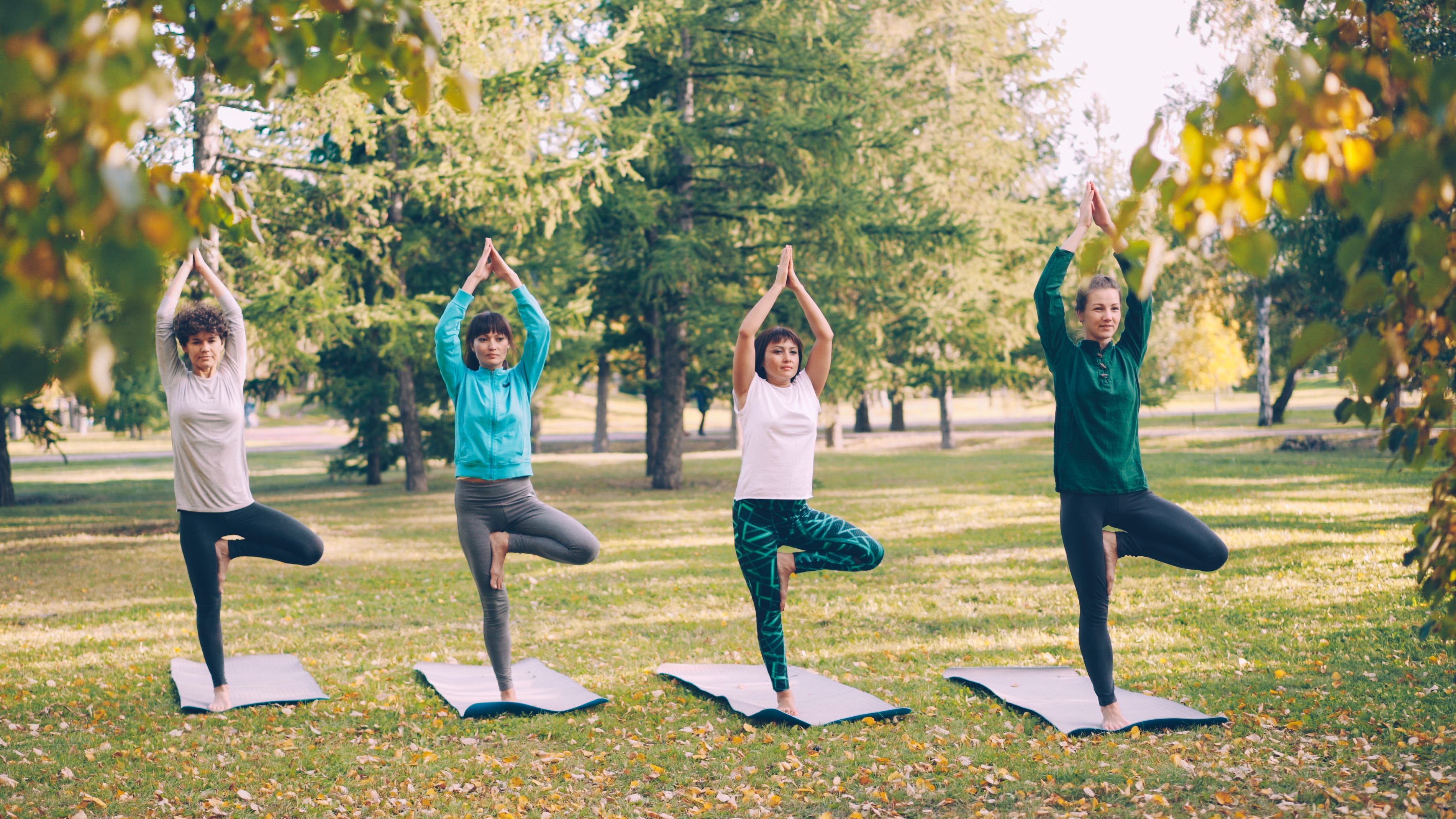
Yoga combines physical movement with breath regulation, present-moment attention, and explicit nervous system downregulation (through parasympathetic activation). For anxiety with a strong physiological component, yoga offers a particularly well-matched set of mechanisms.
Outdoor exercise provides additional benefit through natural light exposure (relevant for seasonal depression and the circadian regulation underlying morning anxiety), and "green space" exposure, which independently reduces cortisol and anxiety.
The practical answer: the best exercise is the one you'll do consistently. A 20-minute daily walk, done every day, produces more sustained benefit than an intense weekly workout with days of inactivity in between.
The Anxiety-About-Exercise Paradox
For people with panic disorder or significant anxiety, the prospect of deliberately elevating heart rate can feel genuinely threatening. "What if I have a panic attack during exercise?" "What if the heart rate increase triggers something?" These are real concerns, not overcaution.
The therapeutic response is graduated exposure:
Start with very low-intensity movement — walking, gentle yoga, stretching — where the cardiovascular activation is minimal. Build duration and intensity gradually over weeks, allowing the nervous system to associate increasing physical arousal with safety. This mirrors the graduated exposure protocol used in CBT for panic disorder, just translated into an exercise context.
Working with a therapist alongside beginning an exercise program can provide the cognitive tools to interpret exercise-induced sensations accurately and support the process of building tolerance.
Practical Starting Points
Five-minute minimum. A commitment to five minutes of movement daily is achievable even during severe anxiety and builds habit foundation without triggering the all-or-nothing failure that perfectionism-driven anxiety often produces.
Schedule it, don't decide it. The daily decision of whether to exercise provides anxiety with an opportunity to generate reasons not to. A set time and a specific activity removes the decision.
Reframe the goal. Rather than exercise as "working out," treat it as a daily nervous system regulation appointment. This shifts the goal from performance to function — which is more sustainable under anxiety.
Exercise as Part of Treatment
Exercise is most effective as a component of comprehensive anxiety treatment — alongside CBT, lifestyle regulation, and sometimes medication. If anxiety is significantly affecting your daily life, it deserves professional attention alongside lifestyle intervention.
At Wellness Road Psychology, we treat all anxiety presentations using evidence-based approaches, and regularly integrate lifestyle interventions including exercise into individualized treatment plans. Book a free consultation.